This post addresses fears, myths, and strategies around career transitions at different stages.

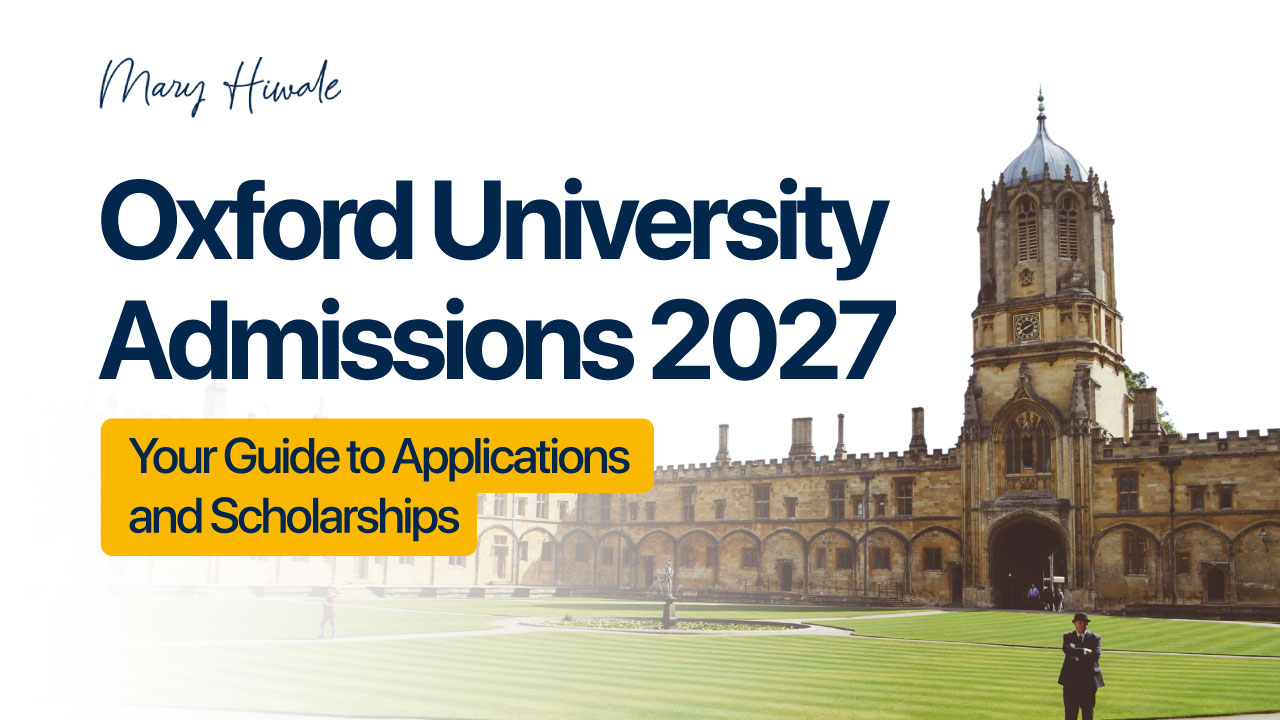
Dreaming of Oxford? Your Journey Starts With the Right Guidance
If you are researching Oxford University admissions 2027, you are asking the right question at the right time. Getting admission to a globally recognised university is about more than good marks — the right course selection, a strong academic profile, a compelling Statement of Purpose (SOP), well-prepared application documents and timely submission can all make a meaningful difference to your application.
With the 2027 intake approaching, now is the time to explore opportunities at the University of Oxford and other leading universities across the UK, USA, Canada, Australia and Europe. This guide walks through where to start, how scholarship consideration works at Oxford, and how to plan sensibly rather than rushing at the last minute.
Why Start Your University Application Early?
Top universities have specific admission requirements, application deadlines and selection criteria. Starting early gives you more time to shortlist suitable courses, prepare documents, strengthen your profile and explore available funding. Oxford itself notes that its graduate application cycle for 2026–27 generally leads to entry in the 2027–28 academic year, with exceptions listed on individual course pages — so checking your specific course page is always the first step.
Six Steps to Get Started
Choose the right course: Identify programmes that match your academic background, interests and long-term career goals. If you are still deciding, this is where study abroad planning guidance helps you compare options before committing.
Evaluate your profile: Understand the academic and other entry requirements for your preferred universities, and honestly assess where your profile stands today. Early profile building for top university admissions gives you time to close gaps well before deadlines.
Prepare your application: Work on your SOP, Letters of Recommendation (LORs), CV and other supporting documents as required. Oxford publishes a detailed graduate Application Guide that explains how to complete the application form, provide references and upload supporting documents — read it before you begin.
Check English-language requirements: Review whether IELTS, TOEFL or another accepted qualification is required for your programme.
Explore scholarships: Research university-funded awards, external scholarships and other eligible funding options.
Track deadlines: Each course and university may have a different application timeline, so build your own calendar rather than relying on a single generic date.
Can You Get a Scholarship at Oxford or a Top University?
Scholarships can help eligible students manage the cost of international education. Depending on the university and award, funding may cover part or all of the tuition fees and, in some cases, living expenses.
The University of Oxford offers a range of graduate scholarships, including the Clarendon Fund scholarships. According to Oxford, applicants are automatically considered for Clarendon if they apply by the December or January deadline relevant to their course, with no separate scholarship application. Oxford also states that Clarendon scholarships cover course fees and provide a living-expenses grant, and that all full-time and part-time DPhil and Master’s courses are eligible. Other awards may have separate eligibility criteria or application requirements, so always check each one individually.
Remember, scholarships are competitive, and eligibility depends on the specific award, your academic profile and other conditions. Admission and scholarship funding are not guaranteed — which is exactly why early, careful preparation matters.
What a Well-Planned Application Looks Like
A strong application is rarely the result of a single good week of work. It usually combines a clear course choice, an authentic academic and personal story, well-prepared supporting documents and a realistic timeline. Students aiming at specific fields such as technology can also look at our guide to studying Computer Science or AI abroad, and those still earlier in their journey can explore options for studying abroad after 10th, 12th or graduation.
Frequently Asked Questions
When should I start preparing for Oxford University admissions 2027?
As early as possible. Oxford states that application deadlines vary by course, so begin by checking your chosen course page, then work backwards to plan your SOP, references, documents and funding research.
Do I need to apply separately for the Clarendon Scholarship?
No. Oxford states that applicants are automatically considered for Clarendon if they apply by the December or January deadline relevant to their course, and no separate application is required.
Which Oxford courses are eligible for Clarendon scholarships?
According to Oxford, all full-time and part-time DPhil and Master’s courses are eligible, with no restrictions on nationality or field of study.
Is admission or scholarship funding at Oxford guaranteed?
No. Both admission and funding are highly competitive, and eligibility depends on the specific course, award, academic profile and other conditions.
What documents do I usually need to prepare for a top university application?
Requirements vary by course, but commonly include a Statement of Purpose, Letters of Recommendation, a CV, academic documents and proof of English-language proficiency where required. Always confirm the exact list on your course page.
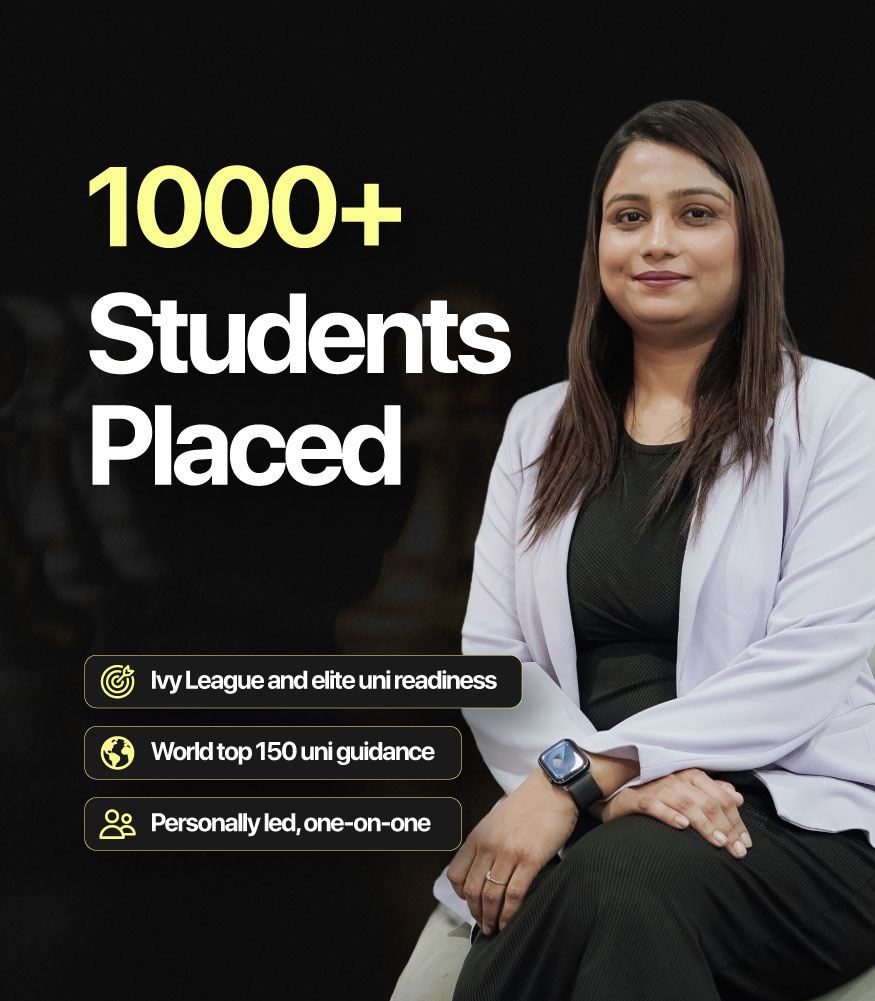
How Ms Mary – Global Career Coach Can Help
Planning to apply to Oxford or another leading international university? Get personalised guidance from Ms Mary – Global Career Coach, with support to help you make informed decisions about your international education journey. Her guidance can include:
- University and course shortlisting
- Academic profile evaluation
- Application planning and deadline tracking
- SOP, LOR and CV preparation guidance
- Scholarship research and eligibility assessment
- Document preparation and application guidance
- Support with planning your next steps towards studying abroad
Students and families can read more about the outcomes of this approach in our student success stories in global admissions, or explore the mentorship program for Class 11 and 12 students if you are planning ahead for the years to come.
Your Global Education Journey Starts Here
Don’t wait until the last minute to plan your future. Explore the right universities, understand your options and begin preparing your application well in advance. Your ambition deserves a well-planned pathway to global education.
🎓 Ready to discuss your profile and upcoming intake options? Book a personalised strategy session with Ms. Mary.