This post addresses fears, myths, and strategies around career transitions at different stages.


Confused About Which Course to Choose? Start With a Map, Not a Ranking
Every year, students exploring universities in the UK, USA, Canada, Australia and Europe ask the same thing: “Which course is right for me?” The answer starts with course mapping for study abroad, a structured way to choose your course before you choose a university. Your course selection after Class 12 or graduation can influence your university options, future career opportunities and your whole international education journey.
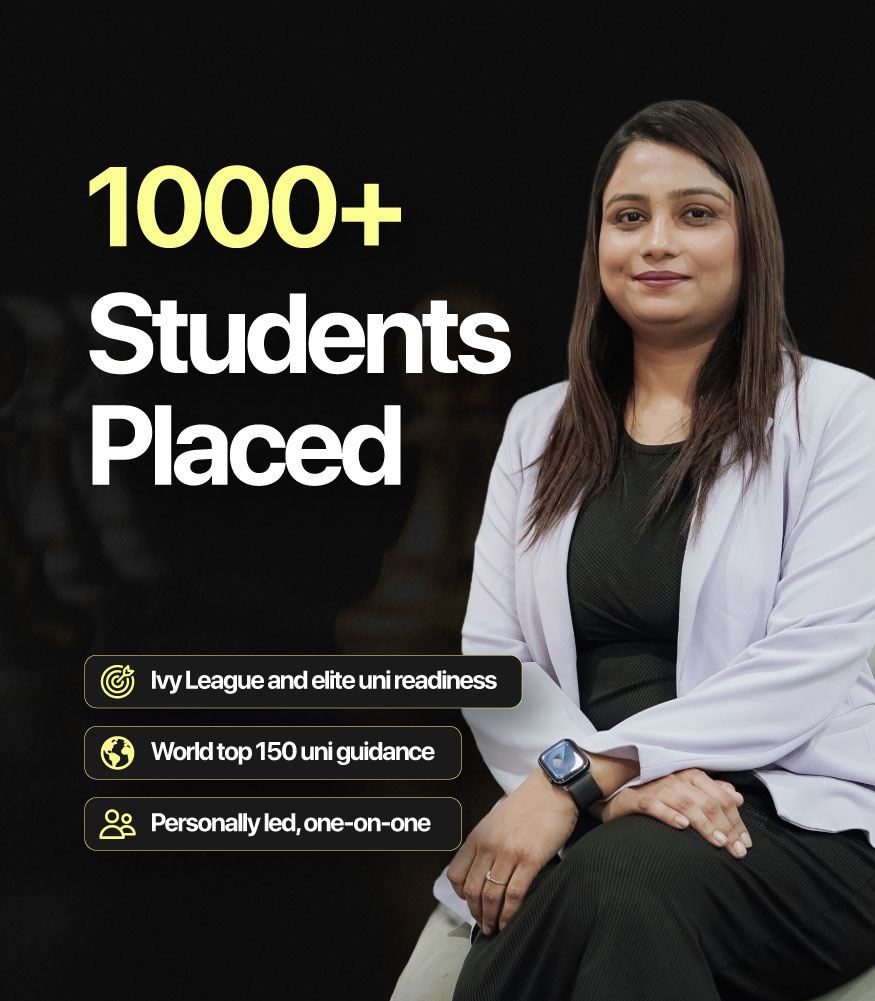
Some students pick a course because friends are choosing it. Others follow family suggestions, popular career trends or famous university names. But the right course should reflect your interests, academic strengths, career goals and future opportunities. At Global Colliance, Ms Mary – Global Career Coach helps students and parents explore suitable academic pathways and international options through a structured approach to course and career planning.
What Is Course Mapping?
Course mapping is the process of identifying suitable courses based on a student’s academic background, interests, abilities and future goals. Instead of choosing a university first and hunting for a course later, you begin by understanding what you want to learn and where that qualification could lead. A good course-mapping process considers:
- Academic performance and subject preferences.
- Personal interests and strengths.
- Career ambitions and industry trends.
- Course curriculum and specialisations.
- University entry requirements.
- Tuition fees, scholarships and living costs.
- Internship opportunities and practical learning.
- Further study and career pathways.
The aim is a shortlist of suitable courses and universities, not a decision driven only by rankings or popularity.
How Do You Choose the Right Course Abroad?
Start with your profile and career direction, then shortlist courses by content and requirements, check eligibility, compare costs and funding, and only then build a university shortlist. This order keeps the decision about you, not about a brand name. Two students may both want a top university, yet their ideal courses can be completely different, so a personalised map is more useful than any generic list.
Why Should Students Choose a Course Before Shortlisting a University?
Imagine one student who loves technology, artificial intelligence and problem-solving, and another who enjoys business, communication and leadership. Both may aspire to a top university, but the best course for each is very different. A university’s reputation matters, yet course structure, teaching approach, entry requirements and relevance to your goals matter just as much. Before selecting a university, ask yourself:
- Do I genuinely enjoy this subject?
- Does the course match my academic background?
- What skills will I develop?
- What further study or career paths could it support?
- Can I meet the entry requirements?
- Is the overall cost manageable for my family?
Official guidance backs this up. UCAS’s advice on choosing the right undergraduate course encourages students to pick a subject they enjoy that supports their goals, read course descriptions carefully and remember that entry requirements differ between courses and universities.
Course Mapping After Class 12: Which Path Should You Choose?
Students finishing Class 12 often feel pressure to choose a degree quickly, but different interests lead to different pathways. These are examples of potential pathways, not personalised recommendations, because your subject combination, academic record and target university decide which options are open to you.
- Computer Science and AI: for students who enjoy technology, mathematics, logic or problem-solving. Areas include Computer Science, AI and Machine Learning, Data Science, Cybersecurity, Software Engineering and Information Technology. Some programmes require specific mathematics or science subjects, so check eligibility first.
- Business and Management: for students who enjoy entrepreneurship, leadership or how organisations work. Areas include Business Management, International Business, Finance and Accounting, Marketing, Business Analytics and Entrepreneurship. Some programmes accept varied backgrounds, while others have prerequisites.
- Media and Communication: for students who enjoy storytelling, creativity or digital platforms. Areas include Mass Communication, Public Relations, Digital Marketing, Journalism and Film and Media Production. Review practical components and portfolio expectations.
- Science and Research: depending on subjects and qualifications, pathways such as biological sciences, biotechnology, chemistry and environmental science. Certain courses require specific science subjects or laboratory experience.
If technology is your direction, our detailed guide to studying Computer Science or AI abroad explains what to check before applying. Students still deciding between Class 12 and graduation routes can also read about studying abroad after 10th, 12th or graduation.
Course Mapping After Graduation: How to Choose Your Next Degree
Graduates face a different question: continue in the same field or move toward a new specialisation? The answer depends on your previous qualification, experience and intended career direction. For example, a computer science graduate may explore AI, data science or cybersecurity, a business graduate may consider management, finance or business analytics, an engineering graduate may look at technical specialisations or management programmes, and a media graduate may explore communication strategy or digital marketing.
Universities may require a relevant undergraduate degree, prerequisite subjects, work experience or other qualifications for certain postgraduate programmes. Before applying, understand whether your previous studies meet the requirements and whether the new qualification genuinely supports your goals.
How to Map Your Course to Top Universities Abroad
A structured approach makes university research far more effective, and our study abroad planning guidance follows the same six steps:
- Understand your profile: review your qualifications, subject strengths, interests, achievements and experience.
- Identify your career direction: think about the problems you enjoy solving, the industries that interest you and the skills you want. You need a broad direction, not a complete career plan.
- Shortlist suitable courses: compare modules, specialisations, teaching methods, practical projects and further-study options. Do not rely on the title alone, because two universities may use similar titles for very different programmes.
- Check university eligibility: review entry requirements, subject prerequisites, English-language requirements and deadlines.
- Compare costs and funding: evaluate tuition, living expenses, scholarships and other funding before choosing targets.
- Build your university shortlist: choose institutions by course suitability, entry requirements, cost, learning environment and career goals, with options at different levels of selectivity if you meet their requirements.
When you reach the university stage, the British Council’s Study UK guidance on choosing a university is a helpful reference. It suggests treating rankings only as a starting point, since different league tables measure different things, and comparing factors such as teaching quality, student satisfaction, graduate outcomes, fees and accommodation. Its examples are UK-focused, but the same comparison mindset works for any destination.
Funding belongs in the map from the start. Our guides on scholarships for Indian students studying abroad and scholarships at top universities abroad show how to research funding alongside your course choice. If you want to go deeper on peer and family pressure, read how to choose the right course and university without following the crowd.
Common Course-Mapping Mistakes Students Should Avoid
- Choosing a course because friends are choosing it: your interests, abilities and goals may be different.
- Selecting a university only on rankings: a high-ranking institution does not automatically offer the best-fit course for every student.
- Following trends without understanding the subject: a popular field may not match your strengths or preferred way of working.
- Ignoring entry requirements: some programmes need specific subjects, qualifications or experience.
- Assuming a course guarantees a job: career outcomes depend on skills, experience, location and labour-market conditions.
- Ignoring the total cost: a course should make academic sense and be financially realistic for the family.
Frequently Asked Questions
What is course mapping for study abroad?
It is the process of choosing a course first, based on your academic background, interests, abilities and career goals, and then shortlisting universities that offer it.
Should I choose a course or a university first?
Choose the course first. Understanding what you want to study and where it could lead makes your university shortlist more relevant than starting from rankings or famous names.
How do I choose a course after Class 12 for studying abroad?
Review your subjects, strengths and interests, identify a broad career direction, compare course content and entry requirements, then check costs and funding. Some courses need specific mathematics or science subjects.
Can I change my field when choosing a master’s degree after graduation?
Sometimes. Many postgraduate programmes require a relevant undergraduate degree, prerequisite subjects or work experience, so check whether your background meets the requirements.
Does choosing a popular course guarantee a job abroad?
No. Career outcomes depend on many factors, including skills, experience, location and labour-market conditions.
How Ms Mary – Global Career Coach Can Help
Choosing a course is an important decision for students and parents, and a structured discussion before applying can clarify the options. Ms Mary – Global Career Coach at Global Colliance can help students explore academic profile evaluation, course and subject shortlisting, university selection based on individual requirements, admission criteria and timelines, potential scholarship opportunities, comparisons between study destinations, and planning for undergraduate or postgraduate applications. The aim is to help you make informed decisions based on your own profile, not a one-size-fits-all recommendation.
Students in Class 10 can start exploring early with career and portfolio mentorship for Grades 8–10, while Class 11 and 12 students can join the mentorship program for Class 11 and 12 students. You can also read how families have benefited in our student success stories in global admissions.
Your future does not need to be decided by a friend’s choice, a trending degree or a ranking alone. Whether you are in Class 10, 11 or 12 or have already graduated, book a personalised course-mapping session with Ms Mary – Global Career Coach at Global Colliance to explore your international options with a clearer plan.
Choose your course with clarity. Plan your university journey with confidence.